Why medical tablets and panel PCs for practice and clinic make sense
In modern ENT diagnostics, digital imaging, video endoscopy, and structured documentation play an increasingly important role. Examination images must be displayed, findings documented, and technical components reliably connected to one another.
A standard computer is not automatically sufficient for this.
A standard tablet or a conventional PC is primarily developed for general office tasks, private applications, or everyday use. Medical tablets and panel PCs, on the other hand, follow a different approach: they are designed for the special requirements of medical working environments.
At orlvision, therefore, not only the endoscopes are the focus. The suitable image display, hygienic cleaning, medical suitability, operability, and integration into the examination workflow are also important components of a complete solution.
Medical technology does not begin with the endoscope
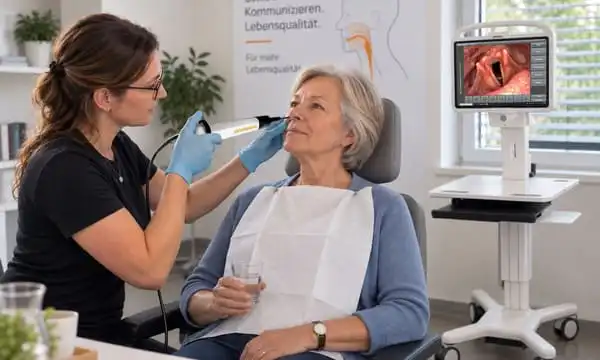
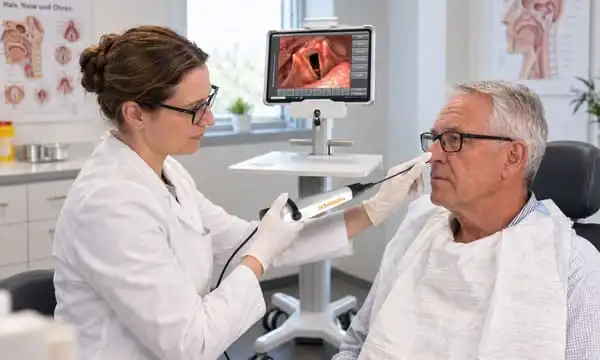
A digital endoscope delivers the image data. For these images to be used meaningfully in medical practice, the system requires a suitable display and processing unit.
A medical tablet or a medical panel PC can perform various tasks:
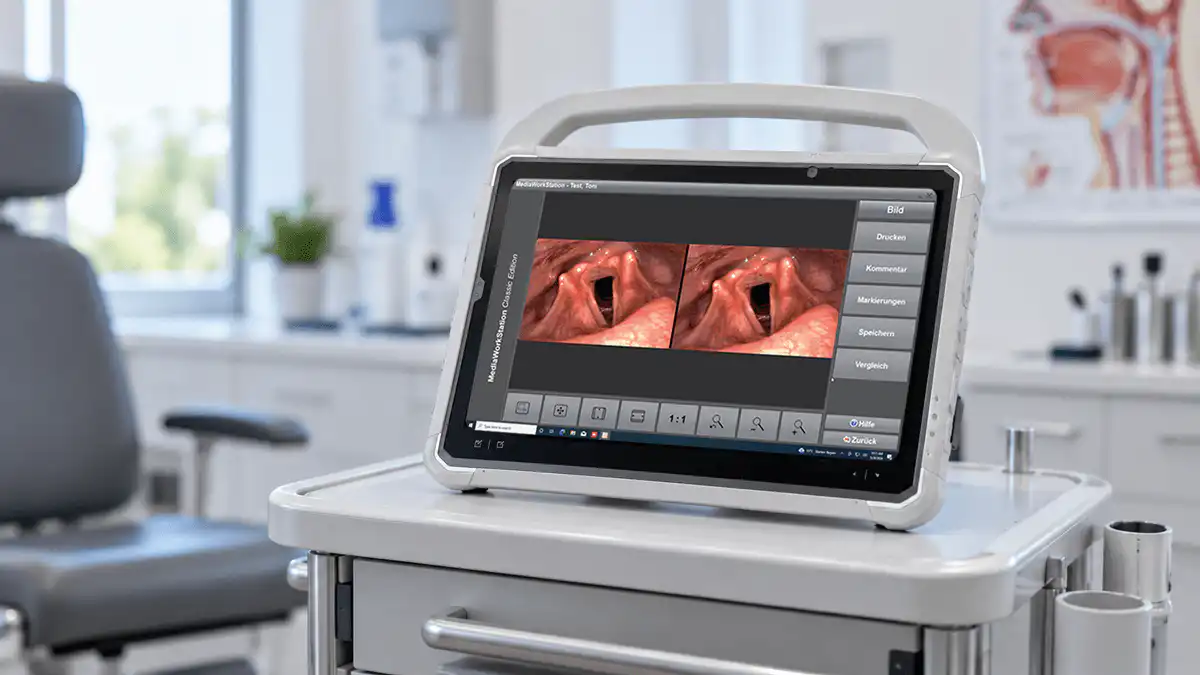
Display the examination on the screen
Display image and video data
Document endoscopy images
Run software for diagnostic assessment and analysis
Provide USB and other interfaces
Technically supplement the examination station
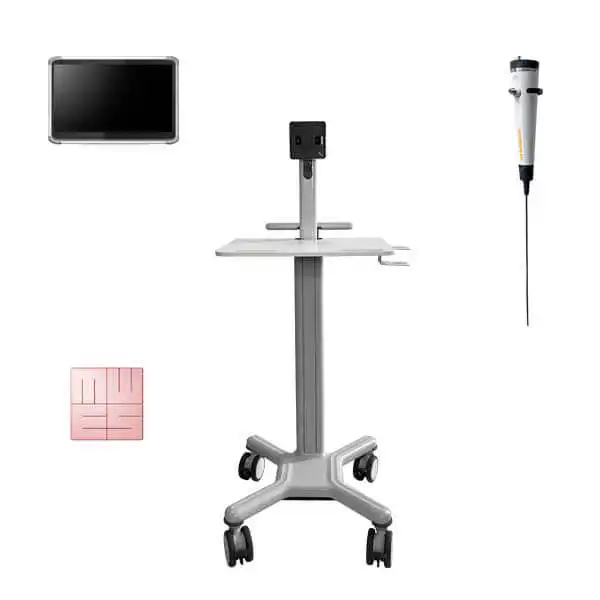
On the orlvision product overview, therefore, not only endoscopes are offered, but also medical tablets, panel PCs, software solutions, mounts, equipment trolleys, and complete systems.
This way, the technical equipment can be planned to match the respective application.
Why a standard tablet is not automatically suitable
A standard tablet can be practical for many everyday tasks. For regular use in practice or clinic, however, additional requirements must be considered.
These include in particular:
- Suitability for medical environments
- The possibility for regular cleaning and disinfection
- A robust and durable construction
- Suitable interfaces for medical devices
- Safe and ergonomic operation
- Integration into the intended diagnostic workflow
A standard consumer device is not automatically designed for these requirements. In particular, the hygienic properties, medical electrical safety, and technical compatibility must be separately examined when selecting a device.
Medical tablets and panel PCs from orlvision, on the other hand, are intended for use in medical working environments. Depending on the model, they offer robust construction, disinfectant-resistant surfaces, touch operation, and the medical properties described on the respective product pages.
Hygiene: A decisive difference in medical practice
In medical facilities, devices are regularly cleaned and disinfected. Housing, surfaces, and operating elements must be suitable for this stress.
The medical tablets from orlvision are designed for the requirements in medical environments. Depending on the model, they have robust housings, smooth surfaces, and a design that is intended for cleaning with suitable disinfectants.
These properties are relevant in practice and clinic routine. A device for medical use should not only be selected based on screen size or processing power. Equally important is the question of how it can be integrated into the hygienic workflow of the facility.
With a standard tablet, on the other hand, it must first be examined whether housing, connections, display, and operating elements are suitable for the intended cleaning and disinfection processes.
Medical safety and technical suitability
With medical computer systems, not only the software plays a role. Electrical safety and the suitability of the hardware for the intended environment must also be considered.
The medical tablets and the medical panel PC from orlvision are described on the respective product pages with medical standards or certifications. Depending on the model, these include information on IEC 60601-1 or corresponding medical safety requirements.
This does not mean that every medical tablet is automatically suitable for every application. What remains decisive is whether the specific device matches the requirements of the planned workstation and the connected medical systems.
When selecting, the following should therefore be examined:
- Which medical standards does the device meet?
- For which environment is it intended?
- Which cleaning and disinfection is possible?
- Which interfaces are available?
- Which software is to be used?
- Which medical devices will be connected?
The suitable screen size for the respective workstation
Not every practice and not every clinic requires the same screen size. A mobile examination system has different requirements than a permanently installed workstation.
The medical 10.1-inch tablet from orlvision is interesting for compact and mobile medical workstation solutions. Due to its handy size, it is particularly suitable for applications where mobility, a space-saving setup, and flexible use play a role.
For larger displays, the medical 15.6-inch tablet from orlvision is suitable. The larger screen area can be helpful when displaying image and video data and when operating documentation and analysis software.
For a stationary workstation, the medical 21-inch panel PC from orlvision can be the suitable solution. A permanently installed panel PC offers a larger display area and can be integrated into a correspondingly planned medical workstation.
The screen size should therefore not be considered in isolation. It must match the examination workflow, the available space, and the planned use.
Touch operation in the medical workflow
The operation of a medical computer should be as direct and understandable as possible. During an examination, it may be necessary to access image or video data, operate applications, or perform documentation steps.
The medical tablets and the panel PC from orlvision have touchscreens. Depending on the model, operation with gloves is also intended.
Touch operation can simplify the workflow and enables flexible design of the workstation. Depending on the system configuration, a device can be attached to a VESA mount or a medical equipment trolley, for example.
This way, the screen is not only considered as a display unit. It becomes a functional component of the entire examination station.
Interfaces for digital endoscopy
A medical computer must not only be medically suitable. It must also technically match the connected devices.
The medical tablets from orlvision have various interfaces depending on the model. These include USB, USB Type-C, Ethernet, HDMI, WLAN, or Bluetooth, among others.
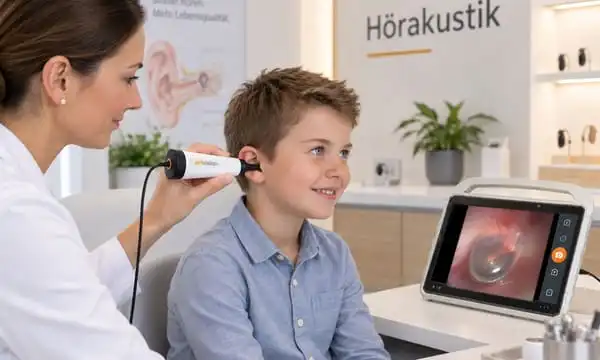
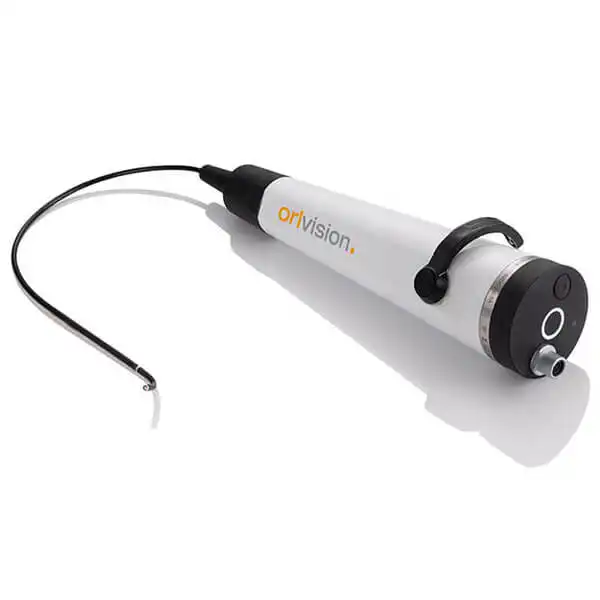
For digital endoscopy, the USB connection is particularly relevant. The USB-based video endoscopes from orlvision can be connected to suitable medical tablets or PCs. The transmitted image data can then be displayed and documented on the connected system.
What is decisive is that not just any computer is selected. The available interfaces, the software used, and the respective system requirements must match the planned application.
Mobile or stationary: The workstation decides
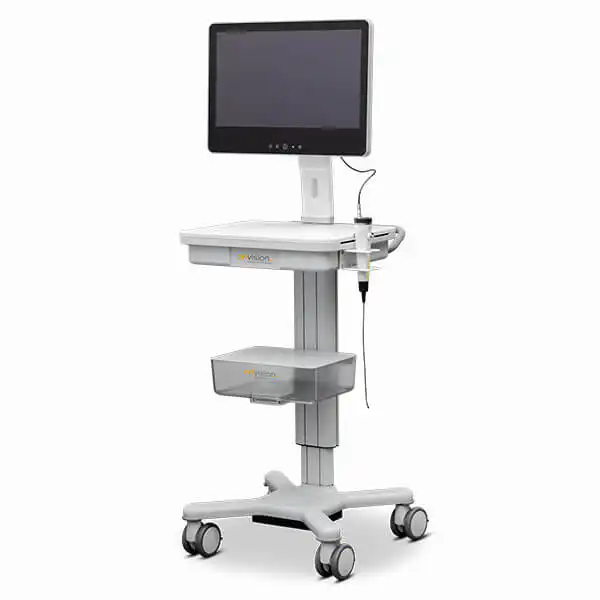
A medical tablet offers advantages when examinations take place at different locations or a workstation is to be set up flexibly. In combination with a suitable trolley, the tablet can be part of a mobile endoscopy system.
A panel PC, on the other hand, is particularly suitable for a permanently installed workstation where a larger screen area and stable mounting are the priority.
orlvision therefore offers different devices for different application concepts. These include compact medical tablets, larger tablet solutions, and a medical panel PC.
Depending on requirements, the devices can be combined with other components such as mounts, trolleys, endoscopes, and software.
Medical tablets and panel PCs as part of a complete solution
A single medical tablet is already an important technical component. However, its full benefit becomes particularly apparent when it is coordinated with the other components of the workstation.
At orlvision, medical tablets can be combined with video endoscopes, software, mounts, and equipment trolleys. The offered complete solutions from orlvision show how individual components become a coordinated system for medical application.
For mobile FEES and ENT applications, for example, solutions with medical tablet, video rhino-laryngoscope, and mobile trolley are available. This way, the image display is not considered in isolation, but integrated into the entire examination workflow.
Why the medical design makes sense in the long term
When purchasing a computer for practice or clinic, the price is often initially the focus. A standard tablet or a standard PC may appear cheaper at first glance.
For a medical application, however, additional factors must be considered:
- Is the device suitable for the intended environment?
- Can it be regularly cleaned and disinfected?
- Is the technical equipment compatible with the medical devices?
- Are the required interfaces available?
- Is the operation suitable for the examination workflow?
- Can the device be mounted safely and ergonomically?
- Is use in mobile or stationary operation intended?
A medical tablet or a panel PC is therefore not simply a standard computer with a different housing. It is a component of the medical workstation and must match the hygienic, technical, and organizational requirements of the respective facility.
The right decision for physicians, speech therapists, and medical professionals
For physicians, speech therapists, clinics, and other medical users, in the end it is not only the technical equipment of an individual device that counts. What is decisive is whether the entire solution can be reliably integrated into the daily workflow.
Medical tablets and panel PCs from orlvision combine several important properties for this: robust construction, medical suitability, hygienic requirements, touch operation, and suitable interfaces for digital applications.
While a standard tablet was initially developed for general tasks, medical devices are specifically designed for use in corresponding working environments. In digital endoscopy, this distinction can be an important basis for selecting the suitable workstation.
Smart. Compatible. Ready for practice.
The choice between a standard tablet, a medical tablet, and a panel PC should not be made solely based on price or screen size. What is decisive is the suitability for medical use.
Medical tablets and panel PCs from orlvision can provide a suitable basis for digital examination and documentation systems. Depending on the model, they can be used mobile or stationary and combined with other components of the medical workstation solution.
This way, a screen becomes more than just a display: it becomes a coordinated component of the digital medical environment.